

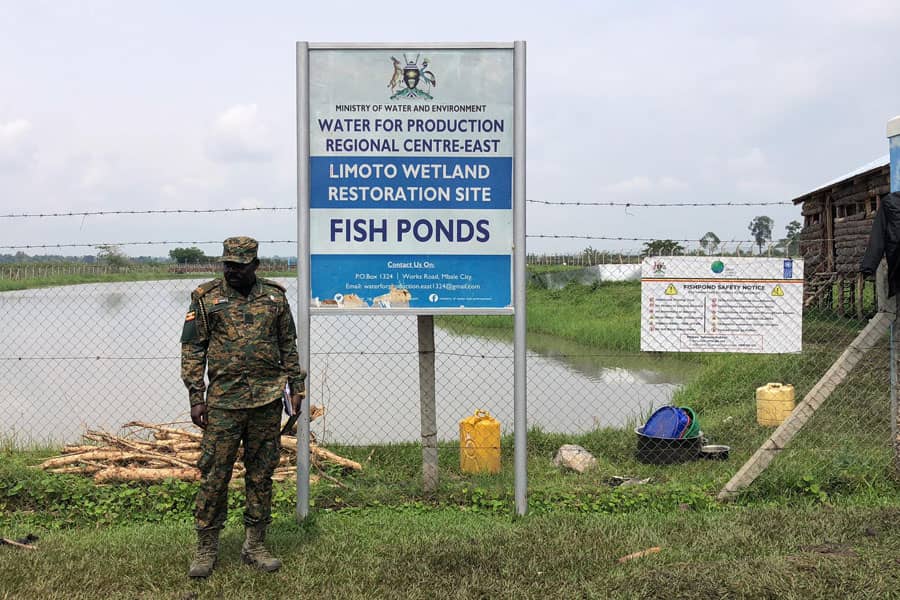
A major environmental and economic transition is unfolding in Pallisa District as the Limoto wetland shifts from traditional rice cultivation to large-scale fish farming under a government-led restoration programme aimed at protecting wetlands while boosting household incomes through aquaculture.
The transformation of the Limoto wetland, covering about 15 acres, marks a significant shift in land use within one of eastern Uganda’s key wetland ecosystems.
Once dominated by rice paddies that supported hundreds of households, the area is now being restructured into fish farming zones under a presidential directive issued in 2018.
The directive called for the gradual phase-out of rice cultivation in ecologically sensitive wetlands and the introduction of alternative livelihood activities considered more sustainable.
Implementation of the programme has been overseen by institutions tasked with coordinating the transition, alongside environmental regulators and local authorities.
According to project officials, the shift is driven by both ecological concerns and economic incentives. Lt Col Frank Banana, one of the officials involved in the implementation, said fish farming offers stronger income potential while reducing pressure on fragile wetland ecosystems.
“Fish farming is significantly more profitable than rice cultivation, and we urge citizens to embrace it,” he said, adding that the initiative is also designed to support long-term wetland restoration.
Government investment in the project is estimated at about 13 billion shillings, used to develop infrastructure including more than 36 fish ponds.
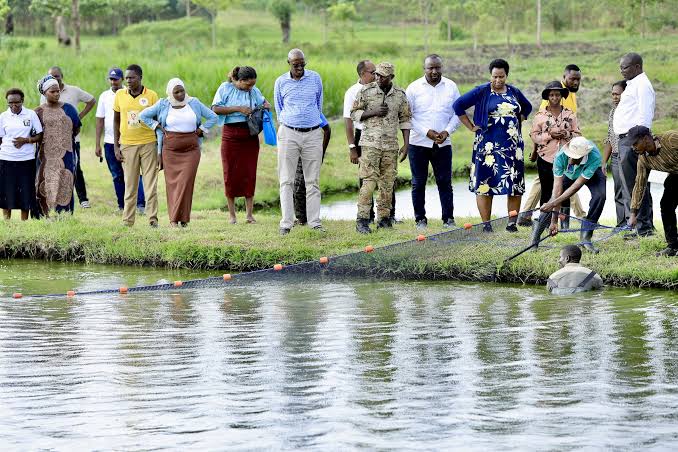
These ponds currently hold an estimated 670,000 fish, forming the backbone of the new aquaculture system being introduced in the area.
To support farmer participation, the programme includes provision of dugout ponds at no cost and starter fish fingerlings, with about 150,000 fingerlings allocated to participating households to kick-start production.
Officials say this approach is intended to reduce entry barriers and accelerate adoption of fish farming.
Maj. David Muwanga said the Limoto project reflects a broader national strategy on wetland restoration and sustainable land use.
“Our mandate, as directed by the President, is to restore wetlands across the country. We will not stop at just this area; we will ensure wetlands are restored nationwide,” he said.
Kyega Dan, a coordinator of pond construction activities, acknowledged the challenges faced during the transition but said the focus remains on implementing the government directive and encouraging community participation.
“Our aim is to implement the President’s directive, and we encourage all Ugandans to engage in fish farming,” he said.
Local leaders say the shift is already reshaping livelihoods in the area. Previously, about 712 households depended on rice farming in the Limoto wetland.
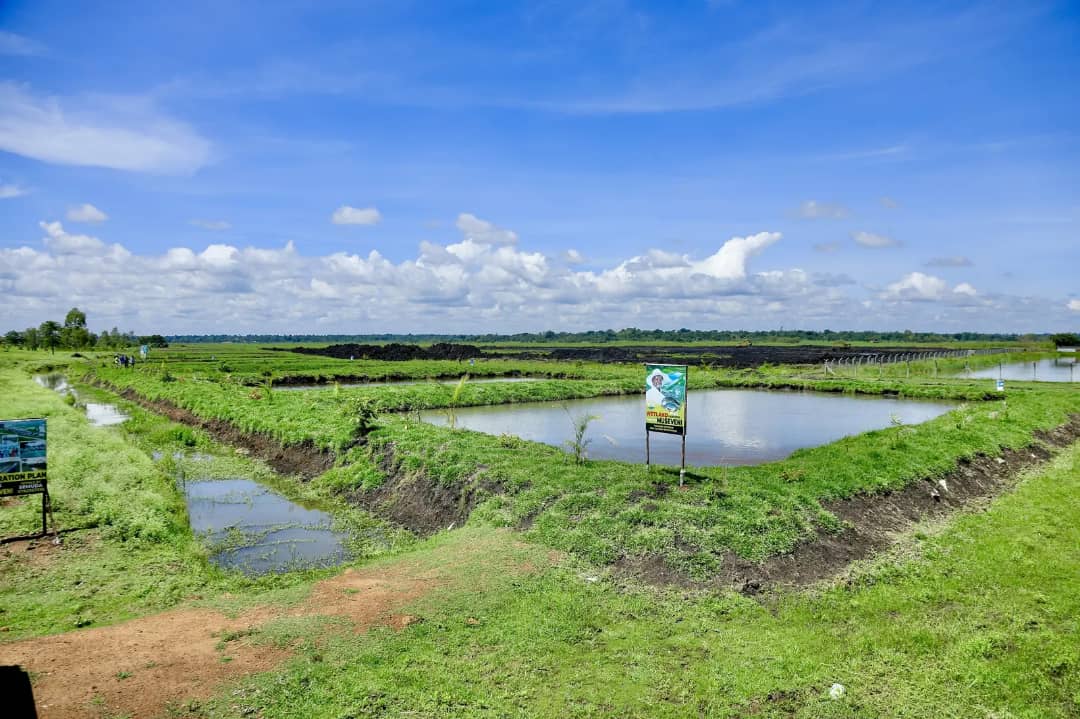
Officials indicate that 547 households have already transitioned to fish farming, with efforts ongoing to bring the remaining families into the programme.
The project is being implemented in collaboration with the National Environment Management Authority, which is tasked with ensuring that restoration efforts comply with environmental protection standards while supporting sustainable economic activity.
Authorities describe the initiative as a model for balancing ecological restoration with income generation, positioning wetlands not only as environmental assets but also as productive economic zones under controlled use.
If fully sustained, officials say the Limoto wetland project could serve as a blueprint for similar interventions across the country, where wetland degradation and competing land use demands remain persistent challenges.
